Deciding whether a property needs a new roof should never be based on appearance alone. An ageing or weathered roof may still be suitable for targeted repairs, while another roof that looks reasonably sound from ground level may have more widespread deterioration beneath the surface. Before recommending replacement, an experienced roofer should assess the complete roofing system to understand its current condition and whether repairs can still provide a reliable solution.
At Haslemere Roofing Repairs, we assess roofs throughout Haslemere, Surrey, with the aim of identifying the underlying condition of the roof before recommending appropriate work. A careful inspection helps determine whether individual defects can be repaired effectively or whether deterioration has reached the point where a new roof offers the more dependable long-term solution.
The Overall Condition of the Roof Covering
One of the first areas to assess is the visible roof covering.
Depending on the type of roof, a roofer may look for:
- Cracked or broken tiles
- Slipped or missing materials
- Deteriorated slates
- Widespread surface wear
- Loose ridge or hip components
- Signs of previous repairs
- Areas where the covering has become uneven
A small number of isolated defects does not automatically justify replacement. The important consideration is whether deterioration is localised or affecting significant areas of the roof.
How Frequently the Roof Needs Repair
The repair history of a roof can provide useful information about its overall condition.
If one isolated defect develops on an otherwise sound roof, a targeted repair may be perfectly appropriate. However, when different problems continually appear across multiple sections, this can indicate broader deterioration.
A roofer will therefore consider whether previous repairs have successfully resolved individual problems or whether the roof is entering a cycle of recurring defects.
Signs of Water Ingress
Leaks are an obvious reason to arrange a roofing inspection, but identifying where water appears inside the property is only part of the assessment.
Water can travel beneath roofing materials before becoming visible internally, meaning the apparent location of a leak may not be its actual entry point.
A roofer may inspect for:
- Damp areas within the roof space
- Water staining
- Deteriorated underlay
- Defective flashing
- Damaged roof coverings
- Problems around junctions and penetrations
Understanding the route of water ingress helps establish whether the problem is isolated or part of more extensive deterioration.
The Condition Beneath the Tiles or Slates
The visible covering is only one component of a roof.
Underneath are materials that contribute significantly to its overall performance, including underlay and battens. These components can deteriorate over time even when some of the external roofing materials remain serviceable.
Where accessible, their condition can provide important information about whether continued repairs are practical.
A roof with widespread deterioration beneath the covering may require a different approach from one where the underlying components remain sound.
Roof Timbers and Structural Condition
The supporting structure must also be considered.
Where there has been prolonged water ingress or other deterioration, a roofer may look for indications that supporting timbers require further attention. Uneven roof lines, movement or visible deterioration within accessible areas can all warrant closer investigation.
A new roof covering needs an appropriate structure beneath it, which is why these areas should be considered before replacement work begins.
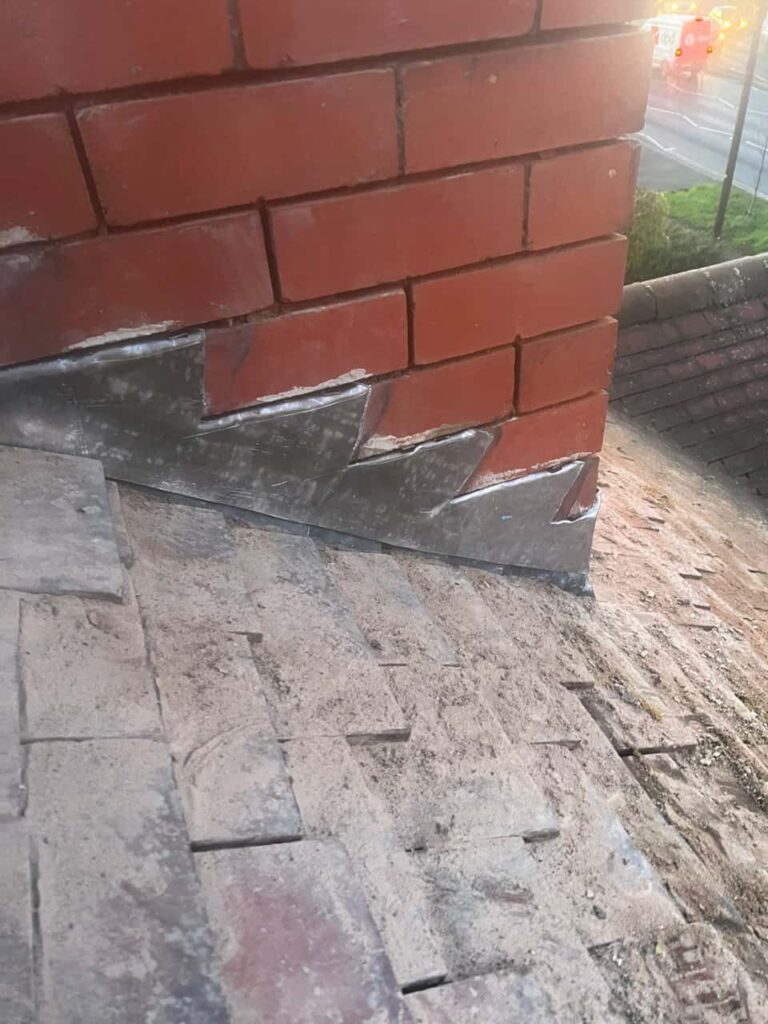
Flashing and Vulnerable Junctions
Many roof leaks develop around details rather than across the main roof covering.
Particular attention may be given to areas such as:
- Chimneys
- Valleys
- Roof abutments
- Changes in roof level
- Roof penetrations
Flashing and weatherproofing details around these areas must remain secure and correctly formed.
If the majority of the roof remains sound and the problem is confined to one junction, repair may be sufficient. Where defects are widespread across numerous areas, replacement may become more appropriate.
Ridge, Hip and Verge Condition
The edges and intersections of a roof are exposed to considerable weathering.
A professional inspection should therefore consider the condition of ridge, hip and verge details alongside the main covering.
Loose, deteriorated or displaced components can sometimes be repaired independently. Their condition also contributes to the wider picture of how the roof is ageing.
Whether the Roof Is Draining Water Effectively
A roof must do more than prevent water passing directly through its covering. It also needs to direct rainfall away efficiently.
A roofer will consider how water moves across the roof, particularly around valleys, junctions and lower edges.
Signs of persistent water accumulation or deterioration in particular areas may indicate that drainage needs attention as part of any proposed roofing work.
Ventilation Within the Roof Space
Ventilation is another important part of overall roof performance.
Poor airflow can allow excess moisture to remain within the roof space, potentially contributing to condensation and deterioration over time.
When assessing whether a roof requires replacement, an experienced roofer should consider whether ventilation is appropriate and whether improvements should form part of any future roofing work.
The Extent of Previous Roofing Work
Older roofs often show evidence of repairs carried out at different times.
Individual repairs are not necessarily a problem. However, extensive patching, mismatched materials or repeated alterations can sometimes indicate that the roof has been experiencing difficulties for a considerable period.
A professional roofer will assess whether these areas remain effective and whether continuing to repair separate sections is likely to provide a satisfactory long-term result.
Whether Repairs Can Still Provide a Reliable Solution
Perhaps the most important question before recommending a new roof is simple: can the existing roof still be repaired effectively?
Replacement should not automatically be suggested because a roof is old or has developed one defect.
If the problem is localised and the surrounding roofing system remains serviceable, professional repairs may extend the useful life of the roof considerably.
Conversely, where deterioration affects numerous components and multiple areas, replacement can provide the opportunity to address the roofing system comprehensively.
Why a Thorough Assessment Matters
A professional roof inspection helps distinguish between visible symptoms and underlying causes.
At Haslemere Roofing Repairs, we assess roofs in Haslemere, Surrey, carefully before recommending the appropriate work. Looking at the roof as a complete system enables us to understand whether individual repairs remain worthwhile or whether replacement would provide a more dependable solution.
This approach ensures that any recommendation is based on the actual condition of the roof rather than assumptions made from its age or appearance.
A New Roof Should Address Existing Weaknesses
Where replacement is appropriate, the objective should be to resolve the problems affecting the existing roof rather than simply cover them with new materials.
Removing the old covering provides an opportunity to inspect concealed areas more thoroughly and address relevant underlying components before the new roofing system is installed.
Careful preparation is therefore just as important as the quality of the visible finished roof.
Conclusion
Before recommending a new roof, an experienced roofer should assess far more than the visible tiles or slates. The extent of deterioration, history of repairs, condition of the underlay and supporting components, signs of water ingress, flashing, roof junctions, ventilation and overall reliability all contribute to the decision.
A new roof may be the right solution where deterioration is widespread, but many localised problems can still be resolved effectively through professional repairs. A thorough inspection provides the information needed to make that distinction.
If your roof in Haslemere, Surrey, is showing signs of deterioration or requiring increasingly frequent attention, Haslemere Roofing Repairs can assess its condition and recommend an appropriate course of action. Contact our team to arrange an inspection and discuss whether professional roof repairs or replacement would provide the right solution for your property.
Call us on: 01428 770 589
Click here to find out more about Haslemere Roofing Repairs
Click here to complete our contact form and see how we can help with your roofing needs.