Roofing problems do not always begin with water pouring through the ceiling. Many faults develop gradually, producing subtle warning signs before significant damage becomes visible inside the property.
Recognising these signs early gives a roofer an opportunity to identify the cause and carry out suitable work before moisture spreads into surrounding materials. Some symptoms indicate a straightforward local repair, while others may point to broader deterioration within the roofing system.
Eight Signs Your Roof May Need Professional Attention
The safest way to assess a concern is to consider the entire roof rather than one visible symptom. Tiles, underlay, battens, mortar, leadwork and drainage components all work together, so a defect in one area can affect another.
1. Tiles or Slates Have Moved Out of Position
A slipped tile or slate creates an opening in the regular pattern of the roof covering. This may expose the underlay and allow wind-driven rain to enter beneath neighbouring materials.
Movement can result from corroded fixings, broken tile nibs, deteriorated battens or an earlier installation fault. Even if the displaced material has not fallen, it should be assessed before it moves further.
2. Cracked or Missing Roofing Materials Are Visible
A cracked tile may remain in position while allowing moisture through the damaged section. Missing tiles leave a more obvious gap, but both issues can reduce the roof’s weather resistance.
One damaged tile can often be replaced successfully if the surrounding roof remains sound. If cracks appear across several areas, the covering may require a wider inspection to establish whether the materials have become brittle or weakened.
3. Damp Patches or Ceiling Stains Have Appeared
Discolouration on ceilings or walls is a common sign of water ingress, but the visible stain may not sit directly beneath the roof defect. Water can travel along underlay, rafters or other surfaces before reaching the interior.
Changes in the size or colour of a stain after rainfall can provide useful information, but accurate leak tracing is still essential. Treating only the internal mark will not resolve the source of the moisture.
4. Mortar Is Cracking or Falling Away
Mortar may be used around ridge tiles, hips and verges. As it weathers, it can crack, loosen or detach from the surrounding materials.
Small pieces of mortar found in gutters or around the property may be an early warning. Failed mortar can allow tiles to move and create gaps at exposed roof junctions.
A professional inspection can determine whether the issue is limited to one section or affects a larger part of the roof.
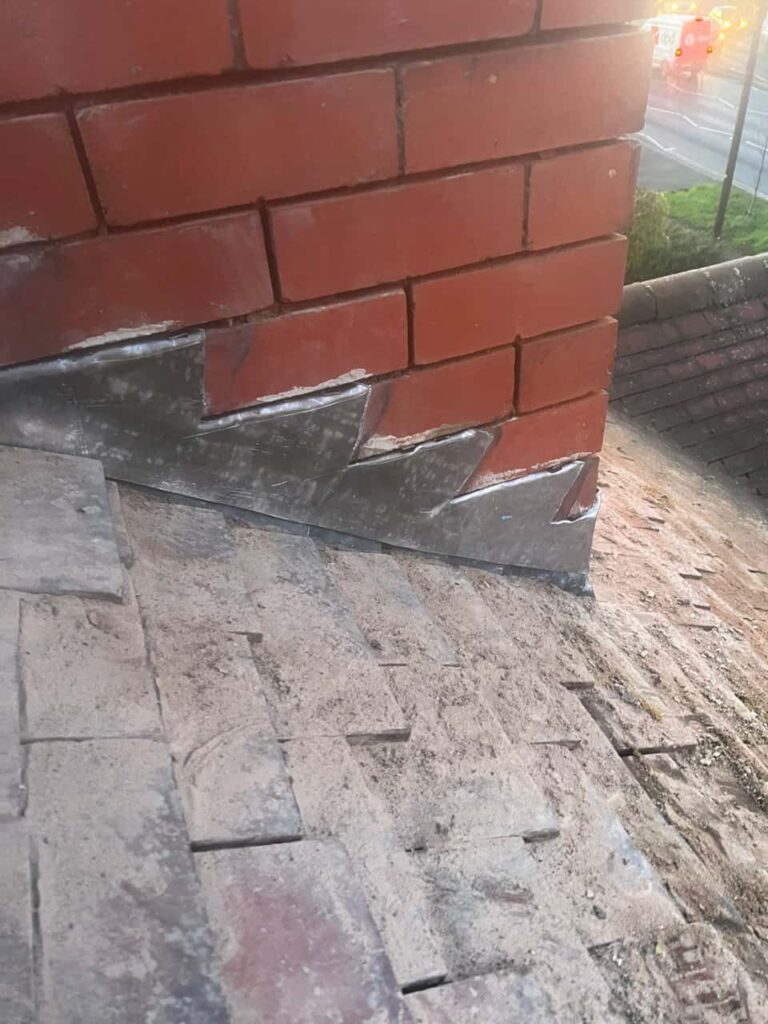
5. Leadwork Is Lifting, Splitting or Pulling Away
Leadwork protects vulnerable junctions around chimneys, abutments and other roof features. It must remain securely positioned while retaining enough flexibility to expand and contract as temperatures change.
Buckling, cracks, open joints or lifted edges can allow water beneath the lead. Applying surface sealant may cover a visible gap temporarily, but it will not correct poor laps, failed fixings or restricted movement.
Proper assessment should establish why the leadwork has failed before a repair is planned.
6. The Roofline Looks Uneven
A roofline should generally appear straight and consistent. Noticeable dips, sagging or changes in alignment may suggest movement within the battens, decking or supporting timbers.
An uneven appearance does not reveal the cause by itself. The change may be localised, or it may indicate that moisture and deterioration have affected a wider area.
Because structural components are largely concealed, this sign deserves prompt professional attention.
7. Gutters Are Overflowing or Filling with Roofing Debris
Overflowing gutters can direct water towards fascia boards, soffits and external walls. The cause may be a blockage, incorrect fall, damaged outlet or inadequate connection between the roof and guttering.
Fragments of tile, slate or mortar within the gutter can also indicate deterioration higher up the roof. Clearing the gutter may restore water flow, but the source of any roofing debris should still be investigated.
Effective drainage is an important part of the complete roof system, particularly during prolonged or heavy rainfall.
8. The Same Problem Keeps Returning
A leak or slipped tile that returns after previous work may indicate that the underlying cause has not been resolved. The visible defect could be connected to deteriorated underlay, weak battens, faulty flashing or movement elsewhere on the roof.
Repeated problems in different areas may also show that several components are reaching a similar stage of wear. A broader roof assessment can determine whether another local repair will be dependable or whether more comprehensive work is required.
What a Roof Inspection Should Examine
A professional inspection should look beyond the most obvious symptom and consider:
- The condition and alignment of tiles or slates
- Fixings, battens and underlay
- Ridges, hips and verges
- Leadwork and roof junctions
- Valleys and drainage routes
- Chimney details
- Guttering and eaves
- Moisture or staining within the roof space
- The quality of previous repairs
This approach helps ensure that any recommended repair addresses the cause rather than temporarily covering the result.
Conclusion
Slipped tiles, internal staining, failed mortar, damaged leadwork and an uneven roofline can all indicate that a roof needs attention. Overflowing gutters, roofing debris and repeatedly returning problems should also be investigated rather than ignored.
Not every warning sign means extensive work is required. Early assessment can often identify a manageable defect before it affects a larger area. If you have noticed any of these signs at your property in Haslemere, Surrey, Haslemere Roofing Repairs can inspect the roof and recommend an appropriate solution. Contact the team to arrange a professional assessment.
Call us on: 01428 770 589
Click here to find out more about Haslemere Roofing Repairs
Click here to complete our contact form and see how we can help with your roofing needs.